Discover the Magic of Chemical-Free Face Cream: A Complete Guide
- contact448902
- Mar 2
- 4 min read
When it comes to caring for our skin, choosing the right face cream can feel overwhelming. There are so many options, and it’s easy to get lost in a sea of ingredients and promises. But what if I told you that the best way to nourish your skin is by going back to basics? That’s where chemical-free face cream comes in. These creams are gentle, effective, and kind to your skin and the environment. Let’s dive into everything you need to know about embracing a cleaner, greener skincare routine.
Why Choose a Chemical-Free Face Cream?
Switching to a chemical-free face cream is like giving your skin a fresh start. Many conventional creams contain synthetic chemicals, preservatives, and fragrances that can irritate sensitive skin or cause long-term damage. Chemical-free options, on the other hand, focus on natural ingredients that work in harmony with your skin’s natural processes.
Here’s why I love chemical-free face creams:
Gentle on skin: They reduce the risk of redness, dryness, and allergic reactions.
Eco-friendly: They often use sustainable ingredients and packaging.
Nourishing: Natural oils, butters, and plant extracts provide deep hydration and antioxidants.
Transparent: You know exactly what you’re putting on your skin.
By choosing a chemical-free face cream, you’re not just caring for your skin—you’re making a positive impact on the planet too.

Natural ingredients in a cream jar ready to nourish your skin
How to Identify a Truly Chemical-Free Face Cream
It’s easy to get tricked by labels that say “natural” or “organic” but still contain hidden chemicals. To make sure you’re picking a genuinely chemical-free face cream, here are some tips:
Read the ingredient list carefully. Look for familiar, simple ingredients like shea butter, jojoba oil, aloe vera, and essential oils.
Avoid synthetic fragrances and dyes. These can cause irritation and are often unnecessary.
Check for preservatives. Natural preservatives like vitamin E or rosemary extract are preferable to parabens or formaldehyde releasers.
Look for certifications. Organic or cruelty-free certifications can be a good sign, but always double-check the ingredients.
Test a small amount first. Even natural ingredients can cause reactions, so patch testing is important.
By following these steps, you’ll feel confident that your face cream is truly chemical-free and safe for your skin.
What is the best non-toxic facial moisturizer?
Finding the best non-toxic facial moisturizer means looking for products that hydrate without harmful additives. The ideal moisturizer should:
Lock in moisture: Ingredients like hyaluronic acid, glycerin, and natural oils help keep your skin hydrated all day.
Support skin barrier: Look for ceramides and fatty acids that strengthen your skin’s natural defenses.
Be lightweight but nourishing: Especially if you have oily or combination skin, a non-greasy formula is key.
Contain antioxidants: Vitamins C and E, green tea extract, or rosehip oil protect your skin from environmental damage.
Personally, I recommend starting with a cream that uses simple, plant-based ingredients. For example, a blend of aloe vera, jojoba oil, and shea butter can provide excellent hydration and soothing benefits without clogging pores. Remember, the best moisturizer is one that feels good on your skin and fits your lifestyle.
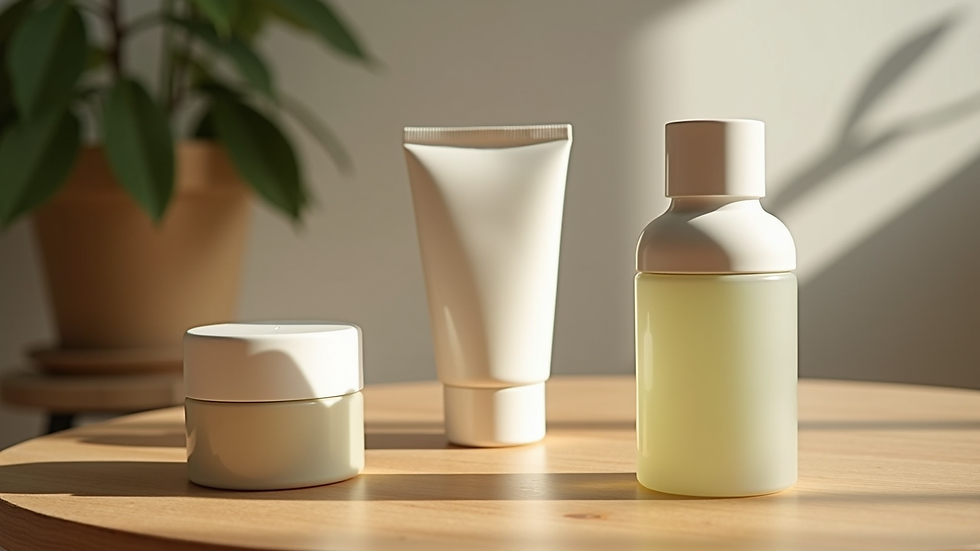
Natural skincare products ready for daily use
Benefits of Using a Natural Face Cream
Switching to a natural face cream can transform your skincare routine in wonderful ways. Here are some of the benefits I’ve noticed and want to share with you:
Improved skin texture: Natural oils and butters help smooth rough patches and add softness.
Reduced irritation: Without harsh chemicals, redness and sensitivity often decrease.
Balanced skin tone: Ingredients like chamomile and calendula calm inflammation and brighten dull skin.
Long-term skin health: Antioxidants protect against ageing and environmental stressors.
Mindful self-care: Using natural products feels like a gentle ritual that nurtures both body and soul.
Plus, many natural creams smell amazing thanks to essential oils, making your skincare routine a little moment of joy every day.
How to Incorporate Chemical-Free Face Cream into Your Routine
Switching to a chemical-free face cream is simple, but here are some tips to get the most out of it:
Cleanse gently: Use a mild, natural cleanser to prepare your skin.
Apply toner (optional): A natural toner can help balance your skin’s pH.
Use your chemical-free face cream: Apply a small amount to your face and neck using upward, gentle strokes.
Don’t forget sunscreen: Even natural creams need protection from UV rays.
Be consistent: Give your skin time to adjust and enjoy the benefits.
Remember, less is more. Start with a small amount and add more if needed. Your skin will thank you for the gentle care.
Final Thoughts on Embracing Natural Skincare
Choosing a chemical-free face cream is more than just a beauty decision—it’s a lifestyle choice that honours your skin and the world around you. By embracing natural ingredients, you’re inviting purity, simplicity, and kindness into your daily routine. It’s a wonderful way to reconnect with your skin’s natural beauty and feel confident in your glow.
If you’re ready to make the switch, take your time exploring different options and enjoy the journey. Your skin deserves the best, and with a little care, you’ll discover the radiant, healthy complexion you’ve always wanted.
Here’s to glowing skin and a happier, healthier you!


Comments